
Aden | 19 July 2026
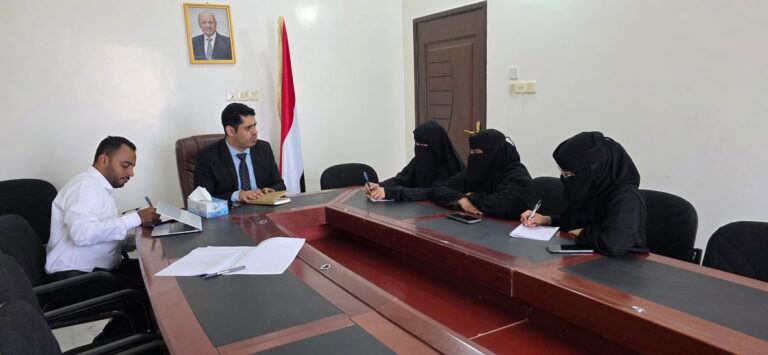
Minister of Human Rights of the Republic of Yemen, Mashdal Mohammed Omar, participated today, Sunday, in the opening of the 27th Ordinary Session of the Independent Permanent Human Rights Commission of the Organization of Islamic Cooperation, with the participation of Commission members, a number of Their Excellencies Ministers, experts, and senior officials.
The session, which commenced today via video conference and will continue from 19 to 21 July, will address the most prominent priority human rights issues in the member states of the Organization of Islamic Cooperation, as well as human rights situations and issues included on the Organization’s agenda and the mandates assigned to the Commission by the Council of Foreign Ministers.
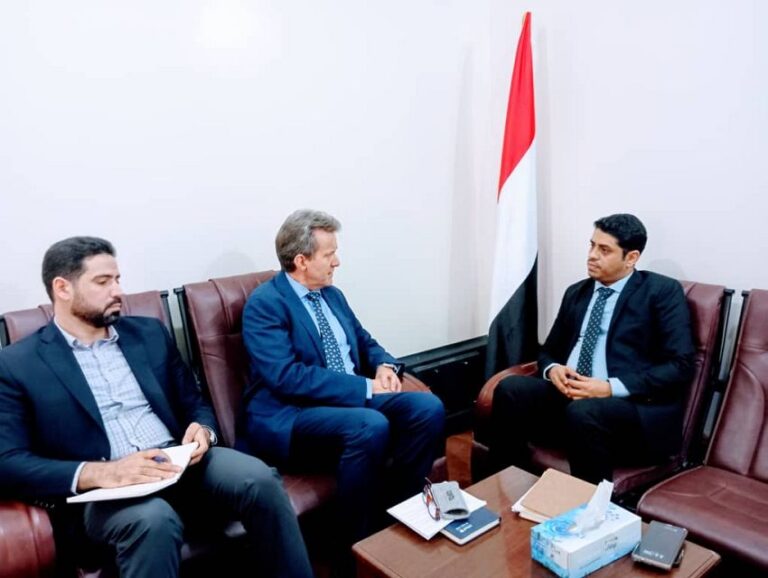
In his opening remarks, Minister Mashdal expressed his appreciation for the fruitful meeting he held with the Commission’s leadership last June, which provided an important opportunity to exchange views and strengthen cooperation between the Commission and the Ministry of Human Rights in Yemen, in pursuit of their shared objectives of promoting and protecting human rights. He also praised the Commission’s continued interest in monitoring the human rights situation in the Republic of Yemen and its commitment to facilitating this constructive dialogue with the Yemeni government.
The Minister of Human Rights affirmed that the Republic of Yemen faces grave humanitarian and human rights challenges as a result of the continued coup and war imposed by the terrorist Houthi militias, and the widespread human rights violations that have followed, affecting civilians across various governorates. These violations include killings and injuries, arbitrary detention, enforced disappearance, child recruitment, landmine planting, targeting of civilian objects, and restrictions on fundamental freedoms, which have exacerbated the suffering of millions of Yemenis.
He also pointed out that, despite these exceptional circumstances, the Yemeni government continues its efforts to fulfill its national and international human rights obligations by strengthening the rule of law, supporting national institutions, facilitating access to humanitarian assistance, and working to improve the conditions of the most vulnerable groups, including women, children, and displaced persons.
He noted that the Ministry of Human Rights and the Yemeni government believe that the protection of human rights is a shared responsibility and that addressing current challenges requires strengthening international cooperation, supporting legitimate state institutions, condemning grave violations, and holding their perpetrators accountable, thereby ensuring that they do not escape punishment and enhancing prospects for achieving a just and sustainable peace.
Minister Mashdal renewed his thanks to the Commission for organizing this session, while reaffirming the Ministry of Human Rights’ readiness to cooperate fully with the Commission and its members in pursuit of the Organization of Islamic Cooperation’s shared objectives of promoting human dignity and protecting rights and freedoms.